
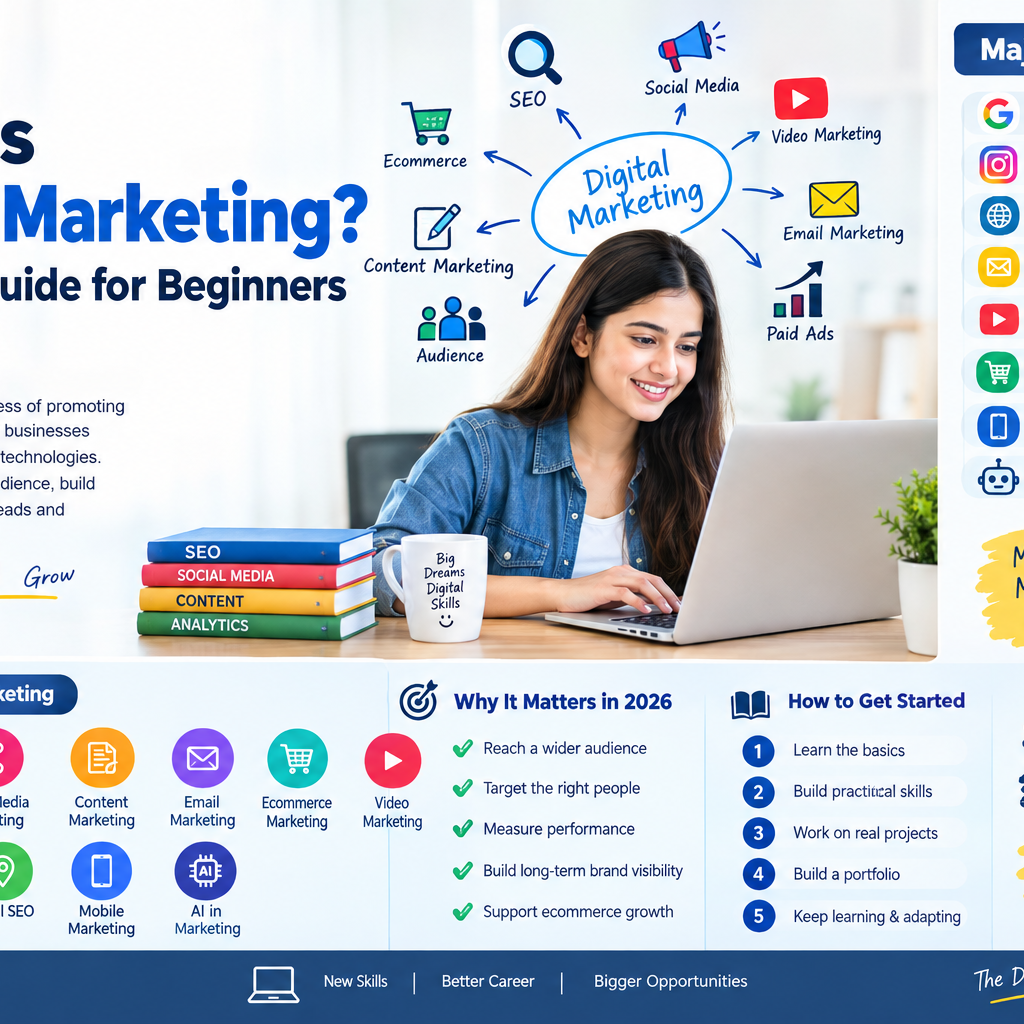
Digital marketing encompasses every promotional effort that uses an electronic device or the internet. Businesses leverage online channels—such as search engines, social media, email, websites, and mobile apps—to connect with current and prospective customers.
Unlike traditional print, television, or radio advertising, digital marketing enables two-way communication, real-time performance tracking, and precise audience targeting. At its core, digital marketing resolves two primary objectives: capturing existing demand (when customers are actively searching for a solution) and generating potential demand (when you educate prospective buyers about a problem they didn’t realize they had).
Traditional Marketing vs. Digital Marketing
The shift toward digital ecosystems has redefined how brands allocate budgets and evaluate impact. While traditional channels still offer broadcast reach, digital marketing provides hyper-targeting, agility, and measurable returns.
| Feature | Traditional Marketing | Digital Marketing (2026) |
| Primary Channels | TV, billboards, radio, print magazines | Search engines, AI engines, social networks, email, apps |
| Audience Targeting | Broad demographics (location, age bracket) | Granular intent, behavioral signals, dynamic segments |
| Measurability | Estimated reach, surveys, lagged sales numbers | Real-time attribution, conversion tracking, ROI metrics |
| Cost & Entry Barrier | High upfront costs, fixed production budgets | Flexible budget control, low cost of entry |
| Interactivity | One-way broadcast communication | Two-way engagement, instant community feedback |
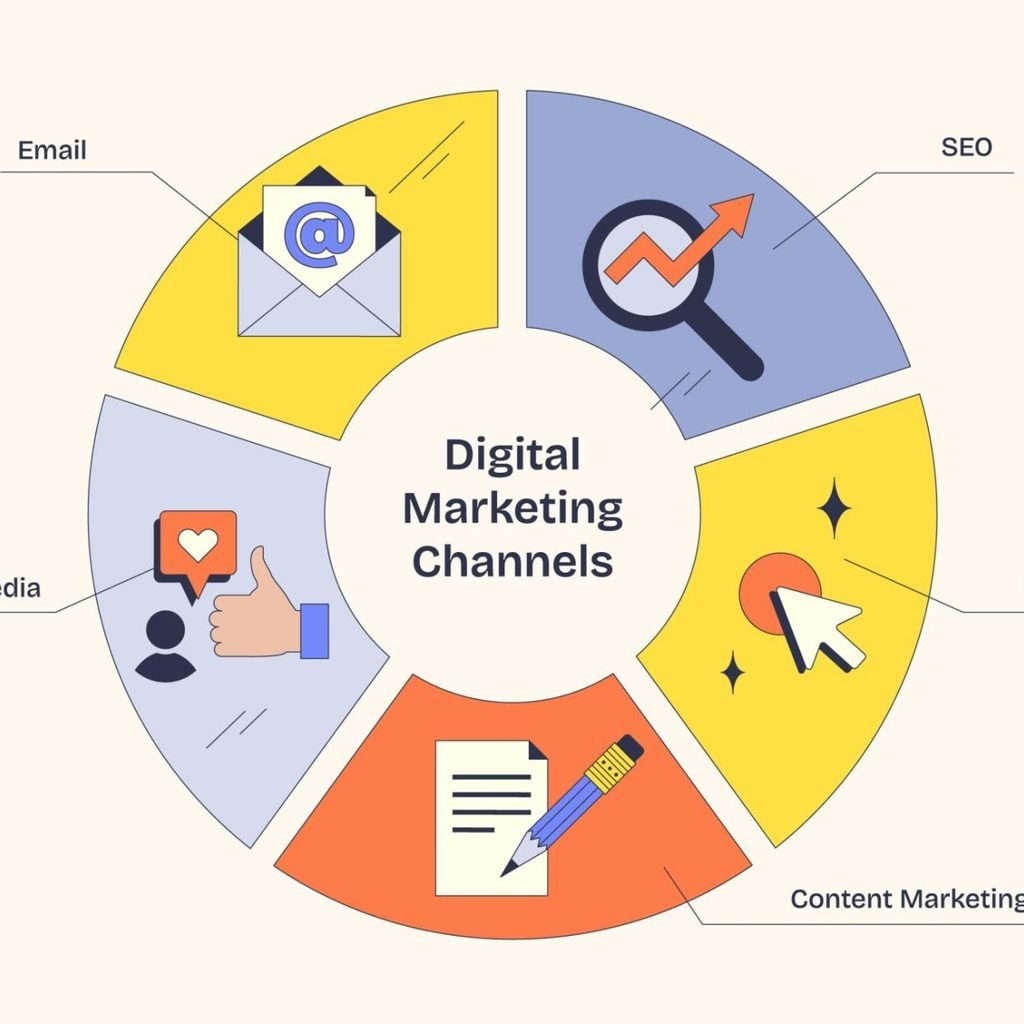
The Core Pillars of Digital Marketing
Modern digital marketing is divided into several specialized channels. While each channel functions independently, successful strategies blend them into a cohesive buyer journey.
1. Search Engine & Generative Optimization (SEO & GEO)
Search Engine Optimization (SEO) involves optimizing web pages so search engines like Google rank them organically for relevant search terms.
With AI tools generating instant answers in search result pages, Generative Engine Optimization (GEO) focuses on ensuring your brand is cited and referenced inside AI-generated search answers (such as Google AI Overviews and ChatGPT).
- On-Page SEO: Optimizing page titles, meta descriptions, headings, and intent-driven content.
- Off-Page SEO: Earning digital citations, authoritative backlinks, and brand mentions across the web.
- Technical SEO: Ensuring site speed, mobile usability, and proper structured schema markup.
2. Content Marketing
Content marketing focuses on creating, publishing, and distributing value-first content—such as blog posts, whitepapers, case studies, and guides—to attract and retain a defined audience. Rather than pitching products directly, content marketing establishes topical authority and addresses audience pain points.
3. Social Media Marketing & Creator Partnerships
Social platforms (LinkedIn, Instagram, TikTok, X, YouTube) serve two key roles: building brand personality and gathering audience insight. Organic social posting builds active communities, while creator partnerships—collaborating with niche influencers—drive authentic brand advocacy over generic sponsored ads.
4. Pay-Per-Click Advertising (PPC)
PPC is a paid model where advertisers pay a fee each time a user clicks their ad. It provides immediate visibility and traffic.
- Search Ads: Text ads displayed above organic search engine queries.
- Paid Social Ads: Targeted visual or video campaigns running across social feeds.
- Retargeting Ads: Custom ads served to users who previously visited your website or abandoned a shopping cart.
5. Email Marketing & First-Party Data
Email marketing delivers direct communication to subscribers who have explicitly opted in. It retains the highest average return on investment (ROI) because you own the platform list, making it immune to social media algorithm shifts or third-party cookie restrictions.
6. Short-Form & Shoppable Video
Video dominates consumer attention online. Platforms now offer shoppable video elements, allowing viewers to click interactive overlays and complete purchases directly within a video reel or stream without changing pages.
Channel Performance & Strategic Overview
Choosing where to invest depends on your budget, timeline, and whether you are capturing existing demand or building brand awareness.
| Channel | Primary Objective | Average ROI Horizon | Best Suited For |
| SEO / GEO | Organic high-intent acquisition | 4–9 months | Sustainable, long-term traffic and category authority |
| PPC Search Ads | Instant lead capture & conversions | Immediate (Days) | Time-sensitive launches, high-value commercial offers |
| Email Marketing | Nurturing, retention, repeat sales | Immediate to Ongoing | Sustained customer lifetime value (LTV) |
| Short-Form Video | Brand discovery, engagement, instant sales | Weeks to Months | E-commerce, lifestyle, consumer goods |
| Content Marketing | Audience education & authority | 3–6 months | Complex B2B solutions, high-consideration sales |
Leave a Comment