

In the fast-paced world of ecommerce, Dropshipping has emerged as one of the most accessible and scalable business models for aspiring entrepreneurs. Whether you’re a college student looking for a side hustle or a seasoned business owner seeking to diversify revenue streams, Dropshipping offers a low-risk entry into the world of online retail. This comprehensive guide will walk you through everything you need to know about Dropshipping, from its fundamentals to advanced strategies for success.
What Is Dropshipping?
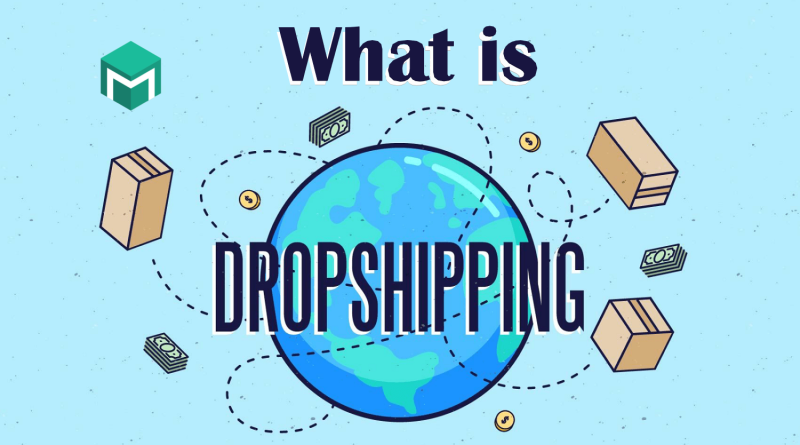
Dropshipping is a retail fulfillment method where an online store sells products without holding inventory. Instead, when a customer places an order, the store purchases the item from a third-party supplier who ships it directly to the customer. This means the seller never handles the product physically.
The beauty of Dropshipping lies in its simplicity. You don’t need a warehouse, you don’t need to manage logistics, and you don’t need to invest heavily upfront. All you need is a laptop, an internet connection, and a solid strategy.
Why Choose Dropshipping?
Here are some compelling reasons why Dropshipping is a popular choice among ecommerce entrepreneurs:
- Low Startup Costs: You don’t need to buy inventory in advance.
- Minimal Risk: You only pay for products after you’ve made a sale.
- Scalability: You can easily expand your product offerings without worrying about storage.
- Location Independence: Run your business from anywhere in the world.
- Wide Product Selection: Access to thousands of products from global suppliers.
How Dropshipping Works
The Dropshipping process typically follows these steps:
- Customer places an order on your online store.
- You forward the order to your supplier.
- Supplier ships the product directly to the customer.
- You earn the profit margin between your retail price and the supplier’s cost.
This streamlined model allows you to focus on marketing, customer service, and growing your brand.
Choosing the Right Products for Dropshipping
Product selection is critical in Dropshipping. You want items that are:
- Lightweight and easy to ship
- In demand but not overly saturated
- High-margin potential
- Not easily available in local stores
Popular Dropshipping niches include fashion accessories, home decor, fitness gear, pet supplies, and tech gadgets. Use tools like Google Trends, TikTok, and Amazon Best Sellers to identify trending products.
Finding Reliable Dropshipping Suppliers
Your supplier is the backbone of your Dropshipping business. A poor supplier can lead to delayed shipments, low-quality products, and unhappy customers. Here are some platforms to find trustworthy suppliers:
- AliExpress: Ideal for beginners with a wide range of products.
- Spocket: Focuses on US and EU suppliers for faster shipping.
- SaleHoo: A vetted directory of wholesale suppliers.
- CJ Dropshipping: Offers product sourcing, warehousing, and fulfillment.
Always test your supplier’s reliability before scaling. Order samples, check delivery times, and evaluate product quality.
Setting Up Your Dropshipping Store
To launch your Dropshipping store, you’ll need:
- A domain name: Choose something brandable and relevant.
- An ecommerce platform: Shopify, WooCommerce, and BigCommerce are popular options.
- A theme: Pick a clean, mobile-friendly design.
- Essential apps: Install tools for email marketing, reviews, upsells, and analytics.
Make sure your store includes clear product descriptions, high-quality images, and trust signals like secure payment icons and customer testimonials.
Marketing Your Dropshipping Business
Marketing is where the magic happens in Dropshipping. Since you’re not manufacturing products, your competitive edge lies in how well you promote them. Here are top strategies:
1. Social Media Advertising
Platforms like Facebook, Instagram, and TikTok allow you to target specific demographics with laser precision. Create engaging video ads and use retargeting to boost conversions.
2. Influencer Marketing
Partner with micro-influencers to showcase your products. This builds trust and drives traffic.
3. Search Engine Optimization (SEO)
Optimize your product pages and blog content with keywords like Drop-shipping, niche-specific terms, and long-tail queries. This helps you rank organically on Google.
4. Email Marketing
Build a list of subscribers and send them promotions, product updates, and abandoned cart reminders.
5. Content Marketing
Start a blog around your niche. For example, if you sell fitness gear, write articles like “Top 10 Home Workout Essentials.” Use Dropshipping as a keyword to attract search traffic.
Managing Finances in Dropshipping
Even though Drop shipping has low overhead, financial discipline is key. Track your expenses, monitor profit margins, and reinvest wisely. Use tools like QuickBooks or Xero to manage accounting.
Also, be mindful of:
- Transaction fees
- Shipping costs
- Refunds and chargebacks
- Ad spend
A good rule of thumb is to aim for a 20–30% profit margin on each product.
Handling Shipping and Returns
Shipping can make or break your Drop-shipping business. Be transparent with customers about delivery times, especially if sourcing from overseas. Offer tracking numbers and communicate proactively.
For returns:
- Have a clear return policy on your website.
- Work with suppliers who accept returns.
- Offer store credit or refunds depending on the situation.
Customer satisfaction is paramount in Drop-shipping, so always prioritize service.
Scaling Your Dropshipping Business
Once you’ve found winning products and profitable ad campaigns, it’s time to scale. Here’s how:
- Automate order fulfillment using apps like Oberlo or DSers.
- Expand your product range within your niche.
- Test new ad creatives and audiences.
- Hire virtual assistants for customer support and admin tasks.
- Explore new markets by offering international shipping.
Scaling in Dropshipping is all about systematizing your operations and doubling down on what works.
Common Dropshipping Mistakes to Avoid
Many beginners make avoidable errors in Drop-shipping. Here are some to watch out for:
- Choosing poor-quality products
- Ignoring customer service
- Overpricing items
- Neglecting SEO
- Failing to test ads before scaling
Avoid these pitfalls by staying informed, testing thoroughly, and listening to customer feedback.
Advanced Dropshipping Strategies
Ready to take your game to the next level? Try these tactics:
- Private Labeling: Brand your products for higher perceived value.
- Bundling: Sell complementary items together.
- Subscription Boxes: Create recurring revenue.
- Retargeting Ads: Re-engage visitors who didn’t convert.
- A/B Testing: Optimize your website and ads for better performance.
These strategies can help you stand out in a competitive Dropshipping landscape.
Dropshipping and Global Trends
The Drop-shipping industry is evolving rapidly. Here are some trends to watch:
- Eco-friendly products: Consumers are prioritizing sustainability.
- Mobile commerce: Optimize for mobile shopping experiences.
- AI-powered tools: Use AI for product research and customer support.
- Voice search: Adapt your SEO for voice queries.
Staying ahead of trends ensures your Drop shipping business remains relevant and profitable.
Final Thoughts
Drop-shipping is not a get-rich-quick scheme, but with the right mindset and strategy, it can be a powerful vehicle for financial freedom. Focus on building a brand, delivering value, and optimizing your operations. Whether you’re just starting or looking to scale, Drop-shipping offers endless possibilities in the world of ecommerce.